
Polybutylene for Inspectors
Polybutylene (PB) is a plastic manufactured between 1978 and 1994 for use as piping in home plumbing systems. It offered plenty of advantages over other materials such as flexibility, ease of installation, resistance to freezing, and it was inexpensive. Pipes made from polybutylene were installed in 6 to 10 million homes in the Unites States during that period. Despite its strengths, production was ceased in 1994 after scores of allegations surfaced claiming that polybutylene pipes were rupturing and causing property damage. In the homes that still contain this material, homeowners must either pay to have the pipes replaced or risk a potentially expensive plumbing failure.
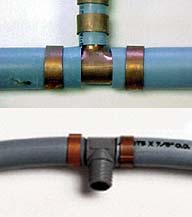
- usually stamped with the code “PB2110″;
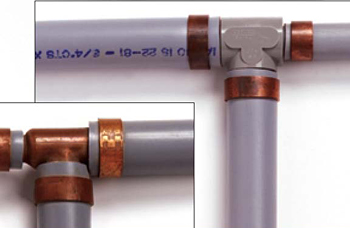
- flexible and sometimes curved, unlike rigid piping materials such as copper;
- not used for waste, drain or vent piping;
- most commonly grey in color, but they can also be white, silver, black or blue. Blue PB is used primarily outdoors and should only be used to carry cold water. Inspectors should be aware that black or white pipes might not be polybutylene (they might be polyethylene or PVC, respectively). Also, PB color is somewhat region-dependant. For instance, experienced home inspectors in California might never come across grey PB, while it is quite common elsewhere;
- ½″ to 1″ in diameter.
Polybutylene pipes can be in a home’s interior or exterior in any of the following locations:
- protruding from walls to feed sinks and toilets;
- running across the ceiling in unfinished basements;
- near the water heater.
Exterior:
- entering the home through the basement wall;
- at the water meter;
- at the main water shut-off valve.
- An inspector should note the presence of polybutylene, but no actual inspection for weaknesses should be performed. Any deterioration of polybutylene pipes happens from within and cannot be detected without turning off the water and dismantling the pipe, which is far beyond the standards of practice of home inspection.
- Inspectors should check an entire pipe for PB, not just a portion of it. Some copper piping systems have been found to use PB at junctures. A common example of this union is where PB pipe links with copper “stub outs” that feed bathroom fixtures.
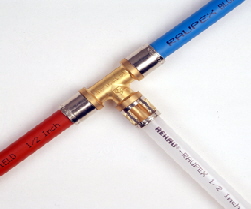
- PEX (pictured at right) – Common in radiant-heating systems, this cross-linked polyethylene can be black, blue or red. It is more easily coiled and more flexible than PB. It can withstand higher temperatures than polyethylene.
- PVC – A popular building material commonly used in residential plumbing. CPVC is derived from PVC and is also used in plumbing. Both appear white or off-white and can be flexible or rigid.
- Polyethylene – This material is flexible and black.
- Copper – Copper is a metal that should never be confused with PB.
In summary, PB pipes are substandard and inspectors should note their presence within residences. Clients should be made aware of the potential hazards posed by pipes made from this chemical. It might be difficult to identify PB by its color alone, so inspectors should also take into account other factors such as flexibility, location within the home, and identifying labels. If in doubt, a licensed plumber can be contacted to determine whether or not a pipe is made from PB.